Frequent Flyer Halloween T-shirt Design Review
As a designer who has spent years turning digital concepts into stitched reality, I approach every new asset with a mix of excitement and skepticism. When I first opened the Frequent Flyer Halloween T-shirt Design, my immediate reaction was less about the holiday theme and more about its potential as a functional piece for a real-world project. It isn't just another generic graphic; it carries a specific retro energy that feels right at home on vintage-inspired apparel or boutique merchandise.
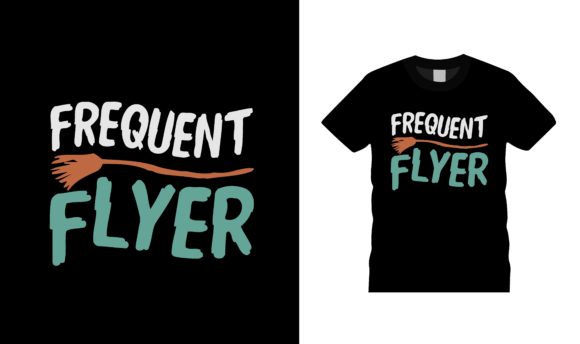
The visual personality of this design is defined by its typography and layout. The "Frequent Flyer" concept combined with Halloween elements creates a playful narrative that works exceptionally well for travel enthusiasts or aviation fans looking to add a spooky twist to their wardrobe. From a design standpoint, the balance between the text and the graphical elements suggests a strong foundation for embroidery. It avoids the cluttered look that often plagues seasonal designs, opting instead for a clean, centered composition that respects the negative space around it.
From Screen to Stitch: Real-World Application
I recently considered using this design for a custom order from a client who runs a small airport gift shop. They needed a product that would appeal to both pilots and passengers during the fall season. The Frequent Flyer Halloween T-shirt Design seemed like the perfect candidate for a high-quality sweatshirt or a durable tote bag. The retro style translates beautifully to thread, especially when paired with warm autumnal colors like burnt orange, deep navy, or mustard yellow.
Imagine stitching this onto a heavy cotton twill cap or a canvas tote. The design's bold lines would hold up well against the texture of these fabrics. However, I always advise testing before committing to a final run. For a small business owner or an Etsy seller, the difference between a successful product and a return lies in how the design interacts with the material. If you plan to use this for a baby item, such as a onesie or a blanket, the design's scale becomes critical. You must ensure the dimensions fit comfortably within the constraints of a smaller hoop without losing the integrity of the lettering.
Where This Design Shines
This embroidery file excels in projects where brand consistency and professional presentation matter. For commercial embroidery projects, the clarity of the typography ensures that the message is legible even from a distance. It is particularly effective for:
- Custom Apparel: Sweatshirts and t-shirts benefit from the design's balanced density, creating a premium look that customers are willing to pay for.
- Tote Bag Designs: The sturdy nature of canvas allows the design to stand out, making it an ideal choice for promotional items or craft fair products.
- Holiday Embroidery: While themed for Halloween, the "Frequent Flyer" aspect gives it a year-round utility, making it a versatile addition to any holiday collection.
- Personalized Gifts: Adding a name or flight number alongside this design can elevate a simple gift into a cherished keepsake.
The visual appeal of the finished product relies heavily on thread color selection. Because the design features a retro aesthetic, choosing threads with a slight sheen can enhance the vintage feel. A satin stitch on the outlines and fill stitches for the main body will create depth, ensuring the design doesn't look flat against the fabric.
Areas Requiring Caution
No design is universally perfect, and understanding the limitations of the Frequent Flyer Halloween T-shirt Design is crucial for avoiding costly mistakes. There are specific scenarios where this design might struggle if not handled with care.
First, consider the hoop size. If you attempt to stitch this on a very small surface area, the details may become compressed, leading to a loss of definition. Similarly, textured fabrics like bouclé or thick fleece can distort the precision of the stitching, causing the letters to appear uneven. Thin or stretchy fabrics present another challenge; without proper stabilizer, the tension of the machine can pucker the material, ruining the overall presentation.
Dense stitch areas require special attention. If the design includes intricate details or small corners, running them through a machine without adjusting the stitch density could result in thread breaks or a stiff, uncomfortable finish. Dark fabrics also demand a careful approach. While the design itself is likely vector-based, the contrast provided by the thread colors must be sufficient to make the graphics pop. A light-colored design on a black background might get lost unless you use a high-density underlay or a contrasting border.
Practical Notes for the Embroidery Designer
Before you load this design into your machine, there are several technical steps you should take to ensure success. As someone who values quality control, I cannot stress enough the importance of testing on scrap fabric first. This simple step allows you to check thread color contrast and review stitch density without risking your actual product.
If you are selling finished items, inspect small details closely. Tiny lettering or decorative accents can sometimes disappear after washing, so verify that the design holds up over time. Using the correct stabilizer is non-negotiable; it provides the necessary support for the fabric to maintain its shape during the stitching process. For curved surfaces like caps, the curvature of the design might need to be adjusted in your software to ensure it lays flat once completed.
Another vital consideration is the licensing terms. Before using this Graphics asset for commercial purposes, confirm whether you have the rights to sell the finished product. Many digital assets come with restrictions that apply to personal use only. Checking these terms protects your reputation as a responsible creative entrepreneur and prevents legal issues down the line.
When comparing light and dark fabric backgrounds, create printable mockups to visualize the final result. This helps in making informed decisions about thread choices and placement. For those involved in craft business or managing a small shop product line, investing time in these preparations pays off in customer satisfaction. Buyers expect a level of professionalism that reflects the effort put into the handmade product.
Final Thoughts on Visual Impact
The ultimate goal of any embroidery project is to create something that resonates with the wearer. The Frequent Flyer Halloween T-shirt Design offers a unique blend of humor and style that fits perfectly into the current market for personalized gifts and boutique branding. Its retro vibe appeals to a wide demographic, from hobbyists to serious collectors of aviation memorabilia.
By paying attention to fabric texture, hoop size, and thread selection, you can transform this digital template into a stunning finished product. Whether it ends up on a kitchen towel, a pillow cover, or a high-end sweatshirt, the design has the potential to generate significant buyer engagement. It serves as a reminder that good design is not just about how it looks on a screen, but how it performs in the hands of the maker and the eyes of the customer.
For anyone looking to expand their inventory with unique design assets, this piece is a strong contender. Just remember to treat every project with the same diligence you would apply to a custom client job. Test, adjust, and refine until the result matches your standards of excellence.