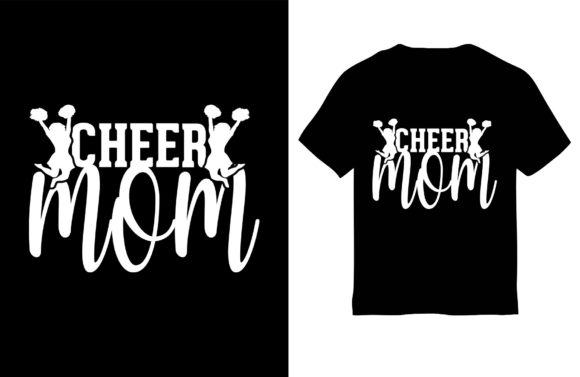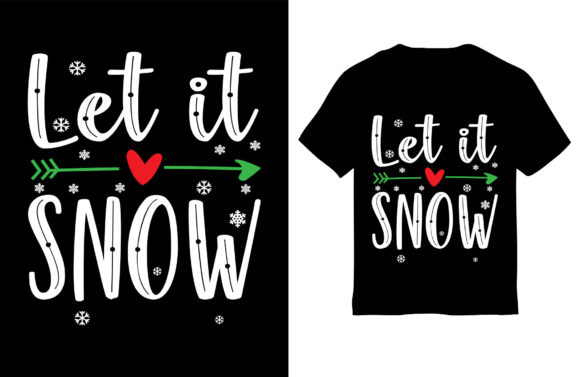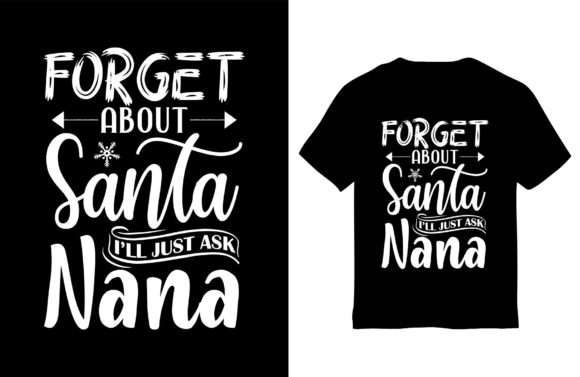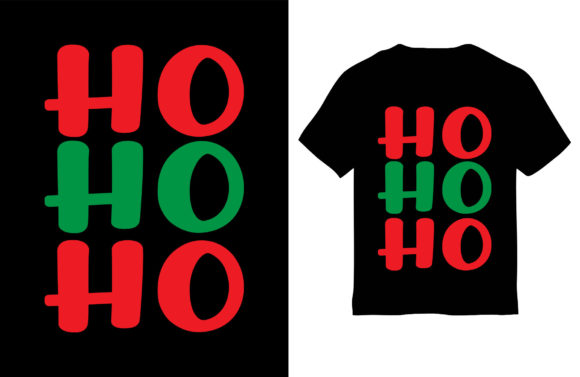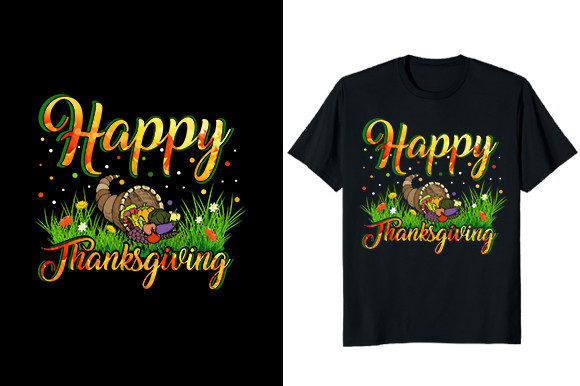
Happy Thanksgiving T-shirt Design: A Designer's Real-World Review
When I first opened the folder for Happy Thanksgiving T-shirt Design, my initial reaction wasn't about the festive colors or the holiday theme. As someone who spends hours behind an embroidery machine, my eyes immediately scanned the file structure and the visual weight of the composition. In a sea of generic clip art and overused vector graphics, this piece stood out not because it was flashy, but because it felt ready for the hoop. It has that specific "finished product" quality that separates a digital download from a viable commercial asset.
I am reviewing this design with the practical mindset of a small business owner and a craft entrepreneur. We aren't just looking at pretty pictures; we are evaluating stitch density, lettering clarity, and how a design will translate from a screen to a physical garment. Whether you are an Etsy seller preparing for the Q4 rush or a hobbyist making personalized gifts for family, understanding the nuances of Happy Thanksgiving T-shirt Design is crucial before you commit to a production run.
First Impressions: Mood and Visual Personality
The mood of this design is warm, inviting, and distinctly seasonal without being cluttered. The layout strikes a balance between bold statement and subtle detail. When I look at the visual personality, it feels approachable. It doesn't scream for attention like some aggressive graphic designs; instead, it invites a hug. This is exactly the kind of vibe that works beautifully for handmade products where emotional connection drives sales.
In terms of shape and theme, the design appears to be optimized for the chest area of apparel or the center panel of home goods. The flow suggests a natural reading path that guides the eye comfortably across the text. For a designer, this means less frustration during digitizing and fewer errors during stitching. The visual weight is distributed in a way that suggests it will hold up well under the tension of embroidery thread, which is often the weak point in many low-quality downloads.
Real-Life Application: From Screen to Stitch
Let's imagine a real scenario. You are prepping for a local craft fair or fulfilling orders for your boutique shop. You have decided to create a line of custom embroidered tote bags and aprons featuring Happy Thanksgiving T-shirt Design. You pull up the file on your computer, load it into your embroidery software, and place it on a virtual mockup of a canvas tote bag.
Here is where the design shines. The lines appear clean enough to maintain their integrity even when stitched onto textured fabric like canvas or denim. If you were to use this on a baby onesie, the design likely translates well to smaller scales, provided you adjust the hoop size correctly. The simplicity of the core elements allows it to work as a standalone piece on a kitchen towel or a decorative pillow cover. It feels versatile enough to be part of a larger collection of holiday merchandise.
For the commercial embroiderer, the question is always: "Will this sell?" The answer lies in the professionalism of the execution. A design that looks crisp in a digital preview but falls apart in satin stitch will hurt your brand reputation. Happy Thanksgiving T-shirt Design seems to possess the structural integrity needed for high-volume production. It fits perfectly into categories like T-Shirt Designs and general Graphics intended for apparel decoration, but its utility extends far beyond just t-shirts.
Navigating the Challenges: Where to Be Cautious
However, no design is perfect for every situation, and as an experienced reviewer, I must highlight where caution is required. Even a strong design like this can struggle if placed on the wrong substrate. If you attempt to stitch Happy Thanksgiving T-shirt Design on a highly stretchy fabric like a thin jersey knit without proper stabilizer, you risk puckering and distortion. The design relies on clean lines, and those lines will warp if the fabric isn't supported correctly.
Small hoop sizes present another potential hurdle. While the design looks balanced on a large sweatshirt, scaling it down for a tiny patch or a hat brim might result in the loss of fine details. Tiny lettering or intricate corners can sometimes get lost in the thread mass if the resolution isn't handled carefully. Similarly, using this on dark fabrics requires a strategic choice of thread colors and potentially a backing layer to prevent show-through, which adds time to your production process.
If you are working with textured fabrics like fleece or heavy wool, the design might need slight adjustments in stitch density to ensure the texture doesn't swallow the detail. Always remember that what looks good on a screen does not always translate 1:1 to the fabric surface. Testing on scrap material is non-negotiable for maintaining the high standards expected by customers buying custom apparel.
Impact on Brand Value and Customer Trust
In the world of Etsy sellers and small shop products, the difference between a mediocre finish and a premium finish is often the difference between a one-time purchase and a loyal customer. Happy Thanksgiving T-shirt Design, when executed correctly, elevates the perceived value of the finished product. A well-stitched design signals care and craftsmanship, which builds trust with buyers who are paying a premium for handmade products.
Furthermore, the versatility of this design enhances your brand consistency. You can use the same aesthetic for a tote bag design, a sweatshirt embroidery project, or a holiday gift item, creating a cohesive look across your entire catalog. This consistency makes your shop look professional and established. Customers recognize the style and feel confident in their purchase, knowing they are getting a high-quality embroidery project rather than a cheap print.
The design also lends itself well to personalized gifts. The clean background and clear typography make it easy to add names or dates without cluttering the composition. This adaptability is a huge selling point for commercial embroidery businesses looking to offer customization options.
Practical Notes for the Embroidery Designer
Before you start stitching, there are several technical steps you must take to ensure success. First, test the design on scrap fabric that matches your final project in both color and texture. This step reveals issues with thread tension, needle size, and stabilizer requirements that you cannot see in a digital mockup.
Check your stitch density closely. If the design feels too dense, it may become stiff and uncomfortable to wear. If it is too sparse, the fabric might show through. Review the thread colors available in your library to ensure they complement the design's mood. For digital embroidery files, always verify the file formats you received—whether it is EPS, SVG, or PNG—and confirm they match your machine's capabilities.
Don't forget to inspect the hoop size constraints. Ensure your design fits within the standard hoops you own, or invest in the appropriate larger hoops if necessary. If you plan to sell finished items, double-check the licensing terms regarding commercial embroidery usage. Some designs allow for personal use only, while others permit selling the finished goods. Confirming these details protects your business from legal issues.
Finally, compare light and dark fabric backgrounds in your mind's eye. Does the design pop on a navy shirt? Does it remain legible on a cream-colored tea towel? These considerations define the success of your finished product. By taking the time to evaluate Happy Thanksgiving T-shirt Design through this rigorous lens, you ensure that your final output is not just a holiday novelty, but a durable, beautiful piece of wearable art that your customers will cherish.