T-shirt Design Vintage Motorcycles
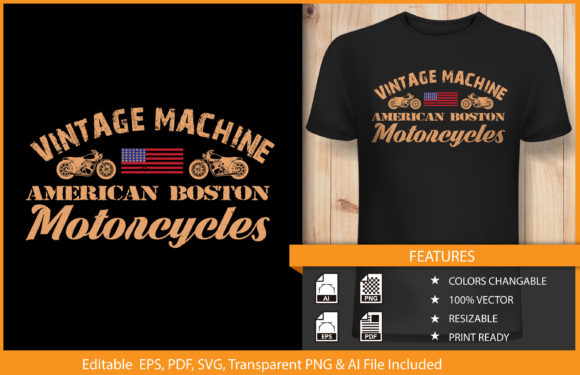
I have spent years reviewing digital assets for the embroidery industry, and I often find that the most promising designs are the ones that evoke a specific feeling before you even touch the needle. When I first opened T-shirt Design Vintage Motorcycles, my immediate reaction was one of nostalgia mixed with rugged reliability. This isn't just a generic graphic; it carries the weight of American Boston typography and classic machine illustrations that suggest a story about freedom and craftsmanship.
As an experienced designer, I don't just look at pixel count or vector paths. I look at how a design will translate into thread. The visual personality of this piece is distinct: it feels like a poster from a mid-century garage sale, colorful yet structured enough to hold up under the tension of embroidery stitches. For anyone running a craft business or looking to create personalized gifts, understanding this mood is the first step in deciding if this asset belongs in your inventory.
The Real-World Test: From Screen to Stitch
Let's talk about a real scenario. Imagine you are preparing for a holiday market or fulfilling a custom order for a client who loves vintage aesthetics. You want to create a limited run of embroidered tote bags or perhaps a set of kitchen towels featuring a classic bike theme. You pull up T-shirt Design Vintage Motorcycles on your screen and start visualizing the finished product.
In this context, the design shines. The layout suggests a central focal point perfect for a chest pocket placement on a sweatshirt or a centered motif on a baby onesie. The typography, described as American Boston style, offers a bold, retro flair that works exceptionally well for branding small shop merchandise. If you were selling these items on Etsy, this design would likely catch the eye of customers looking for something that feels authentic rather than mass-produced.
However, the transition from a digital preview to a physical object requires careful planning. The description mentions "colorful designs" and "vector illustrations," which implies a need for vibrant thread colors. When I simulate this design on a dark fabric background, I immediately think about the stitch density required to cover the fill areas without puckering the material. The contrast between the bright graphics and the deep fabric could be stunning, but only if the stabilizer choice is correct.
Where This Design Fits Best
T-shirt Design Vintage Motorcycles has a natural home in several categories of handmade products. It is not a one-trick pony; its versatility allows it to adapt to various textile applications, provided the surface area is sufficient.
- Custom Apparel: This is the obvious choice. Whether it is a heavy cotton tee or a fleece sweatshirt, the design holds up well against the texture of the fabric. It creates a professional look that elevates a basic garment into a statement piece.
- Home Decor: Think about pillow covers or tea towels. The vintage motorcycle theme adds a cozy, masculine touch to a nursery or a modern farmhouse kitchen. The colorful nature of the graphics makes it a great conversation starter.
- Boutique Branding: For small business owners, this design serves as excellent design assets for packaging or promotional materials. A logo variation could work well on aprons worn by staff or tags attached to other handmade goods.
- Holiday Gifts: Personalized gifts often require a balance of sentiment and style. This design strikes that balance perfectly. It is ideal for Father's Day, Christmas stockings, or wedding favors where a shared love for motorcycling is present.
When used correctly, this design enhances customer trust. A clean, well-executed embroidery job signals quality. If the lines are crisp and the colors are vibrant, the buyer perceives the entire product as high-value. This is crucial for commercial embroidery projects where reputation is everything.
Areas That Require Caution
Despite its strengths, no single design is perfect for every situation. As a reviewer, I must point out where T-shirt Design Vintage Motorcycles might struggle. The primary concern lies in the level of detail within the typography and the smaller elements of the motorcycle illustration.
If you attempt to use this design in a very small hoop size, such as those used for cuff embroidery or tiny patches, you risk losing the definition of the letters. Tiny lettering can easily blur together when stitched, turning clear text into a muddy blob. Similarly, textured fabrics like heavy wool or loose-weave linen can distort the clean lines of the vector illustration, making the final result look less polished.
Stretchy fabrics present another challenge. While the design looks great on stable cottons, applying it to thin, stretchy knit fabrics without proper stabilization can lead to distortion. The tension of the satin stitch might pull the fabric unevenly, ruining the shape of the motorcycle. Curved surfaces, like baseball caps, also demand extra attention. The curvature can make the straight lines of the typography appear warped unless the digitization accounts for the curve, which you should verify before starting.
Furthermore, products that undergo frequent washing, such as baby clothes or work aprons, require durable stitching. Dense stitch areas can sometimes trap lint or cause the fabric to stiffen over time. If the design includes decorative accents that are too delicate, they may snag or break off during regular wear.
Practical Notes for the Embroidery Designer
Before you commit to a production run, there are essential steps you must take to ensure success. First and foremost, test the design on scrap fabric. This simple act saves money and frustration. Run a few samples using different thread colors to see how the contrast plays out in real life. Sometimes a color that looks amazing on a monitor appears dull or garish in thread form.
You must also review the stitch density. If the file is not optimized, you might end up with excessive layers of thread that cause the fabric to pucker. Check whether the design works for both personal and commercial projects by confirming the licensing terms. Many digital files come with restrictions on how many finished items you can sell, so read the fine print carefully.
Inspect small details closely. Zoom in on the typography to ensure the kerning (spacing) is preserved. If you are using a black and white mockup tool, convert the design to grayscale to check for clarity. If the image loses definition in monochrome, it might struggle in low-light conditions or on darker backgrounds. Finally, compare light and dark fabric backgrounds to determine the best color palette for your specific product line.
Using the proper stabilizer is non-negotiable. For a design with dense fills like this one, a cut-away stabilizer often provides the necessary support to prevent shifting. Without it, the intricate details of the vintage machine illustration could drift during the stitching process.
Final Thoughts on Visual Appeal
T-shirt Design Vintage Motorcycles is more than just a collection of shapes and lines; it is a tool for creative entrepreneurs to build their brand identity. When executed with care, it delivers a finished product that feels intentional and high-quality. It resonates with buyers who appreciate the history of American typography and the timeless appeal of classic machinery.
Whether you are an Etsy seller looking to expand your catalog or a hobbyist making a gift for a friend, this design offers a strong foundation. Just remember that the magic happens in the execution. By respecting the limitations of the medium and testing thoroughly, you can transform this digital file into a tangible treasure that people will cherish. The key is to let the design speak through the thread, ensuring that every stitch reinforces the vintage charm and professional polish that defines a successful embroidery project.