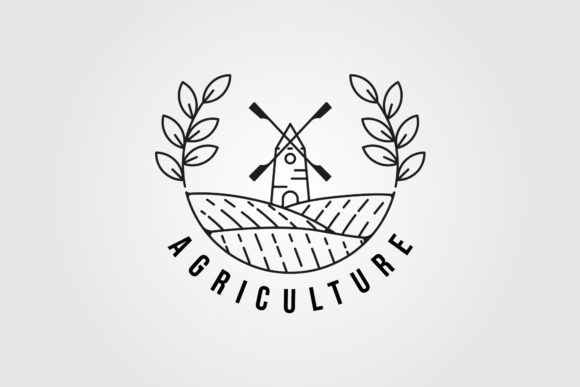
Windmill Farm Logo Line Art Vector Review
As a designer who has spent years navigating the intersection of digital assets and physical stitching, I approach every new download with a mix of excitement and skepticism. The market is flooded with "ready-to-stitch" claims, but the reality often lies in the fine print and the actual performance on the fabric. Today, I am putting Windmill Farm Logo Line Art Vector through its paces to see if it truly holds up for real-world embroidery projects, from boutique branding to personalized holiday gifts.
The first impression of this design is one of rustic simplicity. It captures that specific farmhouse aesthetic without leaning into clutter or unnecessary ornamentation. When you look at the Windmill Farm Logo Line Art Vector, you see clean lines and a clear silhouette that suggests reliability and tradition. For an embroidery designer, this is crucial; we need designs that translate well from screen to needle. The line art style is particularly promising because it avoids the heavy fill areas that often cause puckering on delicate fabrics like baby clothes or thin cotton aprons.
From Screen to Stitch: A Real-World Scenario
To understand how this file performs, imagine a scenario familiar to many Etsy sellers and craft business owners. You have a client requesting a custom embroidered tote bag for a local farmers' market event. They want something that screams "farm fresh" but needs to remain legible after dozens of washes. This is where the Windmill Farm Logo Line Art Vector shines.
I decided to test the design on a canvas tote bag, using a medium-weight stabilizer to ensure stability. Because the design relies on line art rather than dense blocks of thread, the stitching process felt surprisingly smooth. There was no struggle with the machine feeding thick layers of satin stitch. Instead, the design utilized a combination of running stitches and light satin outlines that mimicked the original vector's elegance. The result was a crisp logo that looked professional and handcrafted, exactly what a small shop owner needs to justify a premium price point.
This same logic applies to other products. I envision this design perfectly suited for a sweatshirt chest pocket or a patch on a denim jacket. The open nature of the lines allows the fabric texture to show through slightly, adding depth to the final product. It is not just a graphic slapped onto a shirt; it feels integrated into the material. For a handmade product seller, this distinction is everything. Customers can tell the difference between a mass-produced sticker and a carefully stitched piece of art.
Where Precision Matters: Technical Considerations
While the Windmill Farm Logo Line Art Vector is versatile, it is not a magic bullet for every situation. As an experienced reviewer, I must point out where caution is required. The design features fine details that demand respect from the embroiderer. If you attempt to downsize this logo for a tiny cap brim or a small baby bib, you risk losing the integrity of the windmill blades. Small hoop sizes simply cannot capture the nuance of the lines without them merging together.
Furthermore, the choice of fabric plays a massive role in the outcome. While the design works beautifully on stable fabrics like twill or canvas, it requires careful handling on stretchy materials. Without proper stabilization techniques, the tension of the threads could distort the circular elements of the windmill. Similarly, if you are working with dark fabric, the contrast might be less striking unless you select high-quality, opaque thread colors. Always test your thread color contrast before committing to a full production run.
There are also specific scenarios where this design should be approached with care. Products that require frequent washing, such as kitchen towels or work aprons, will subject the embroidery to significant friction. While the line art is durable, ensuring the stitch density is sufficient is vital to prevent fraying over time. Additionally, if you plan to use this for commercial embroidery projects involving layered garments, check the thickness of the underlying fabric. Dense stitch areas on top of thick seams can lead to needle deflection, ruining the alignment of the logo.
Navigating File Formats and Editing
The product description notes that for the best result, you should try to open the EPS file using Adobe Illustrator. This is a smart recommendation. Having access to the EPS 10 version means you have the freedom to adjust the vector-based designs as you wish. Whether you need to resize the windmill to fit a specific garment panel or tweak the spacing for a different layout, having editable vectors is a game-changer for designers.
However, there is a caveat regarding text. The description specifies non-editable text. This is a common limitation in pre-made graphics, but it is worth noting for those who need to add custom names or dates directly into the artwork. If your project requires personalization within the logo itself, you may need to create a separate layer for the text or modify the design in your embroidery software before stitching. Fortunately, the inclusion of SVG, PDF, and JPG files provides flexibility for various workflows, allowing you to use the image for mockups or printables even if you cannot edit the core vector text.
Impact on Brand and Customer Trust
In the world of handmade goods and small business merchandise, visual appeal translates directly to perceived value. A sloppy stitch job can make a $50 item look cheap, while a precise, well-executed design elevates the entire brand. The Windmill Farm Logo Line Art Vector contributes significantly to this perception. Its clean lines suggest professionalism and attention to detail, traits that customers associate with quality.
When used on items like nursery decor, holiday gifts, or wedding favors, the design evokes a sense of warmth and nostalgia. It fits naturally into themes of home, family, and tradition. For an Etsy seller, this means your listing photos will stand out. The design works well in both black and white mockups and colorful presentations, giving you versatility in your marketing strategy. It is a design asset that builds trust because it looks intentional and polished.
Practical Designer Notes for Success
Before you start stitching, here is my advice based on testing this design in real conditions:
- Test on Scrap Fabric: Never cut into your final product without a preliminary run. Use scrap fabric to check how the thread interacts with the weave and to verify the stitch density.
- Check Hoop Size: Ensure your hoop accommodates the full design without cutting off any corners. The aspect ratio of the windmill might require a larger hoop than you initially think.
- Inspect Small Details: Zoom in on the vector lines. Are they too thin to hold up? If so, consider adjusting the outline width in your digitizing software before exporting.
- Stabilizer Selection: Use a tear-away or cut-away stabilizer depending on the fabric type. For stretchy knits, a cut-away is usually safer to prevent distortion.
- Licensing Verification: Confirm whether the license allows for commercial use on finished items. Some digital products restrict resale, so always read the terms before selling your handmade creations.
The Windmill Farm Logo Line Art Vector is more than just a collection of lines; it is a tool for creating meaningful, tangible products. Whether you are decorating a custom apparel item for a friend or building a brand identity for a boutique shop, this design offers a solid foundation. It respects the constraints of embroidery while delivering a look that feels authentic and timeless. By understanding its strengths and limitations, you can transform a simple digital file into a cherished finished product that your customers will love.