T-rex Can t Eat Ice Cream Dinosaur: A Designer's Real-World Review
When I first opened the file for T-rex Can t Eat Ice Cream Dinosaur, I didn't just see a cute graphic; I immediately started thinking about stitch paths, thread tension, and how this design would translate from a screen to actual fabric. As someone who has spent years refining machine embroidery designs for clients and my own shop, I know that the difference between a good digital image and a successful finished product lies in the details. This piece falls under the category of T-Shirt Designs and is marketed as a versatile Graphics asset, but does it hold up when you are actually stitching it out?
The First Stitch Impression
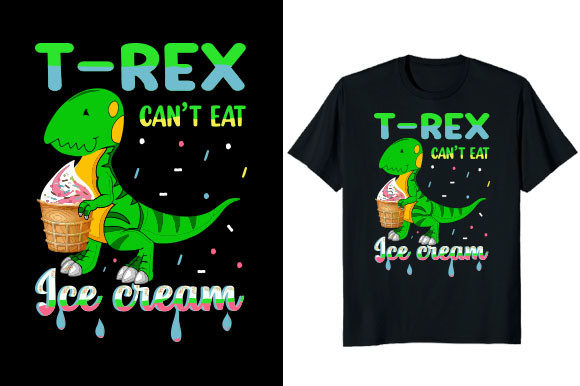
The mood of T-rex Can t Eat Ice Cream Dinosaur is instantly playful and nostalgic. It taps into that classic "dinosaur with a human problem" humor that resonates well with parents, kids, and anyone who loves a good pun. From a layout perspective, the composition feels balanced. The T-rex is positioned to interact naturally with the ice cream cone, creating a focal point that guides the eye without feeling cluttered. However, the text is integral here. In embroidery, typography can make or break a project, especially when dealing with curves or small lettering.
I am particularly interested in how the design handles its visual personality. Is it a serious character study, or is it a whimsical doodle? For a machine embroidery design, knowing this distinction helps determine the stitch type. If the lines are too thin, they might get lost in the fabric texture. If the shapes are too complex, they could look muddy after stitching. My initial assessment suggests this design leans towards a bold, cartoon style, which is generally excellent for embroidery because it allows for clear definition using satin stitches and fill stitches.
Putting It to Work: A Real Project Scenario
To truly evaluate T-rex Can t Eat Ice Cream Dinosaur, I need to put it through a real-world test. Let's imagine I am preparing a custom order for a boutique client who sells handmade baby gifts. They want a unique sweatshirt design for a toddler's birthday party. The concept is a "Dino Party" theme where every child gets a shirt featuring their favorite dinosaur doing something silly.
In this scenario, T-rex Can t Eat Ice Cream Dinosaur fits perfectly. The subject matter is appropriate for children, and the humorous element adds a layer of charm that parents love to share on social media. I visualize placing this design on a light-colored cotton fleece sweatshirt. The contrast between the dark dinosaur outline and the bright ice cream colors (if chosen correctly) would pop beautifully against the soft fabric. It transforms a standard garment into a personalized gift that feels thoughtfully curated rather than mass-produced.
However, the application doesn't stop at apparel. I also see potential for this design on a canvas tote bag for a summer craft fair. The durability of the embroidery would withstand the wear and tear of a reusable shopping bag, making it a practical handmade product. Alternatively, shrinking the scale slightly, this could work wonderfully on a bib or a onesie. The key here is understanding how the stitch density interacts with the fabric. On a thick sweatshirt, the design will sit proud and crisp. On a delicate baby onesie, we would need to be careful not to overwhelm the material with too much backing or heavy stitching.
Navigating Technical Challenges
While the concept is strong, there are specific areas where T-rex Can t Eat Ice Cream Dinosaur requires careful handling. One of the most common pitfalls in embroidery projects is attempting to stitch intricate details on small hoop sizes. If the original design includes tiny text or fine shading around the T-rex's claws, a small hoop might struggle to capture those nuances. The result could be a blurry image that loses the charm of the original artwork.
Fabric choice is another critical factor. Stretchy fabrics like jersey or thin knits require a stabilizer that provides enough support to prevent puckering. Without the right stabilizer, the tension of the satin stitch pulling on the edges of the letters could cause the fabric to warp. Similarly, textured fabrics like terry cloth or heavy denim might hide the finer details of the design. In these cases, the design might need to be simplified or adjusted before digitizing for production.
Curved surfaces, such as baseball caps, present yet another challenge. While the design is likely scalable, the curvature of a cap can distort straight lines and round shapes if the digitization isn't optimized for the curve. For a custom apparel item like a hat, I would recommend testing the design on a scrap piece of the same material first. This ensures that the thread colors maintain their vibrancy and that the running stitch or fill areas do not gap or bunch up.
Maximizing Visual Appeal and Value
The success of a finished product often hinges on the perceived value to the customer. A well-executed embroidered patch or shirt featuring T-rex Can t Eat Ice Cream Dinosaur signals professionalism and attention to detail. When customers see clean edges, consistent tension, and accurate color representation, their trust in your brand grows. Conversely, sloppy stitching or misaligned elements can undermine even the best design concept.
This design offers great potential for branding consistency. Whether you are selling on Etsy, running a small shop, or fulfilling orders for a larger business, having a cohesive library of fun, high-quality graphics helps establish a recognizable style. The humor of the T-rex struggling with ice cream is universally relatable, making it an excellent choice for holiday gifts, summer events, or casual everyday wear. It bridges the gap between a novelty item and a wearable piece of art.
Practical Notes for the Embroidery Designer
Before you rush to load this file into your machine, there are several steps you must take to ensure success. First, always test the design on scrap fabric. This is non-negotiable. You need to verify how the stitch density looks on your specific material and whether the thread colors you have chosen provide enough contrast. Sometimes a design that looks perfect on a white background appears washed out on a pastel shirt.
Review the file specifications carefully. The product listing mentions EPS, SVG, JPG, and PNG files, along with high-resolution options. Ensure you are working with the vector formats (EPS or SVG) for the best scalability. Check the hoop size requirements and confirm that your machine can handle the dimensions without needing to split the design unnecessarily. If the design is intended for commercial use, double-check the licensing terms provided by the creator. Understanding whether you can sell finished items or only digital previews is crucial for protecting your business.
Finally, consider the end-use of the product. Will it be washed frequently? If so, ensure the design uses durable stitch types that won't snag or fray easily. For items like kitchen towels or aprons, the design should be robust enough to handle moisture and friction. By taking these precautions, you transform a simple digital asset into a high-quality commercial embroidery piece that stands out in a crowded market.
In conclusion, T-rex Can t Eat Ice Cream Dinosaur is more than just a cute image; it is a versatile tool for creative entrepreneurs. With the right technical approach and a keen eye for detail, this design can elevate your craft business offerings and delight customers looking for something unique and fun.